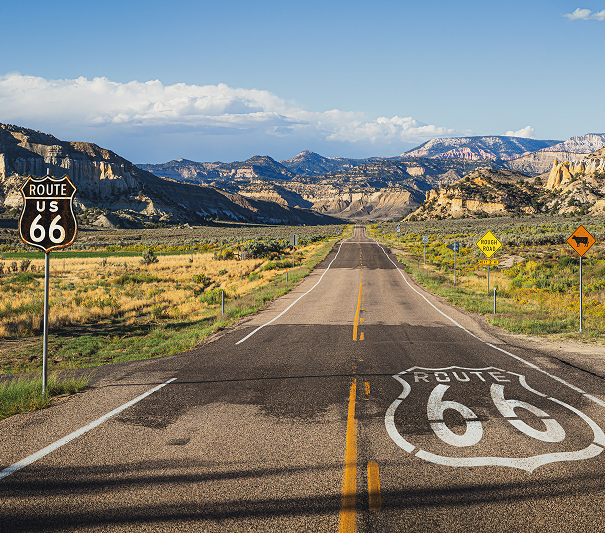

Tulsa, Oklahoma: Legacy and History in The Capital of Route 66
Explore nostalgic attractions, modern neighborhoods and rich histories along the Mother Road.
Tulsa was officially designated The Capital of Route 66® in 2024 – and it wears this title proudly, with local attractions, businesses and historic sites paying homage to the iconic motorway. Enjoy some classic Americana, then go beyond the surface to discover the rich culinary scene and often-overlooked histories that give Tulsa its unique flair. You’ll find fascinating museums, moving monuments, delectable dining and quirky charm around every corner in this Oklahoma cultural haven.
Neon Signs & Roadside Attractions
Take an old-fashioned cruise along Tulsa’s 45 kilometers of Route 66, where you can still spot landmarks from the Mother Road’s heyday. Soak in the nostalgic vibes as you admire over 250 neon signs around town, many of which have been lighting up Tulsa’s streets since the early- to mid- 1900s. Head to Tulsa Expo Square to snap a photo with the impressive Golden Driller, a 23-meter-tall statue erected in 1966 as a tribute to Tulsa’s oil workers. The Driller is far from the only larger-than-life sculpture you can find along Route 66. During the Mother Road’s heyday, many businesses installed attention-grabbing “muffler men” – large, whimsical fiberglass statues – to advertise to drivers traveling the route. While only a few originals have survived, many Tulsa businesses sport recreations of the classic figures. Some popular homages to the muffler men of old include Buck and Stella Atom, the cowboy and cowgirl pair who welcomes visitors to iconic souvenir stop Buck Atom’s Cosmic Curios on 66, and Meadow Gold Mack, a lumberjack who stands watch over the local vendor stands at Meadow Gold Mack’s Route 66 Outpost. Find even more Oklahoma Route 66 must-sees just outside town – the Blue Whale of Catoosa is about a 20-minute drive east, and the Tee-Pee Drive-In movie theater is west in Sapulpa.

Shopping & Dining
Grab a plate (or a few to sample) from the locally operated food stands inside Mother Road Market, Oklahoma’s only nonprofit food hall and a back-to-back winner of USA Today’s Best Food Hall in the USA award. Beyond being a foodie hot spot, the market also serves as a community gathering place, with a Route 66-themed mini golf course and live music drawing regular crowds. Before leaving the Market District, be sure to stop at the Visit Tulsa Visitor Center to pick up maps and visitors guides – along with a few free Tulsa-themed goodies. The Meadow Gold District, with its colorful murals and buzzy atmosphere, is also a must-see neighborhood. This is where you’ll find nostalgic favorites Buck Atom’s Cosmic Curios on 66 and Meadow Gold Mack’s Route 66 Outpost alongside hip offerings like Josey Records, the city’s biggest vinyl record store. Family-owned and operated by citizens of the Muscogee Nation, Southwest Trading Company offers jewelry, candles and more handmade goods from local Native American artisans. Round out your visit with breakfast or lunch at local hangout Wildflower Cafe.

Diverse Histories & Untold Stories
Take a deep dive into Tulsa’s history to learn more about the people and industries that shaped the area. The Historic Greenwood District was an affluent part of town in the 20th century, nicknamed Black Wall Street due to its high concentration of prospering Black-owned businesses. Today, Greenwood Rising Black Wall Street History Center tells the story of Black Wall Street and interprets the events of the Tulsa Race Massacre of 1921. This unique history center combines historical artifacts with immersive presentations using state of the art projection mapping and holographic technology. Nearby, take a guided tour of Mabel B. Little Heritage House, the only surviving 1920s-era home in the district, for a look into the lives of businesspeople and Tulsa Race Massacre survivors Sam and Lucy Mackey who lived there. Even more history can be found at Creek Council Oak Park. This site commemorates the city’s founding by the Indigenous Muscogee (Creek) Nation in 1836 after they were forcibly moved west by the U.S. government. It’s still an important ceremonial site for the local Locvpoka tribe of Muscogee people. See the Council Oak Tree and the Creek Nation Council Oak Memorial Marker statue, then explore a botanical garden full of plants significant to the Muscogee Nation. At Route 66 Historical Village, explore an open-air museum with preserved structures from Tulsa’s history as the “Oil Capital of the World.” Highlights include the visitor’s center, modeled after a replica 1920s gas station, and North America’s tallest oil derrick.

Getting There
Fly into Tulsa International Airport (TUL) and rent a car. Much of downtown Tulsa is easy to navigate on foot.
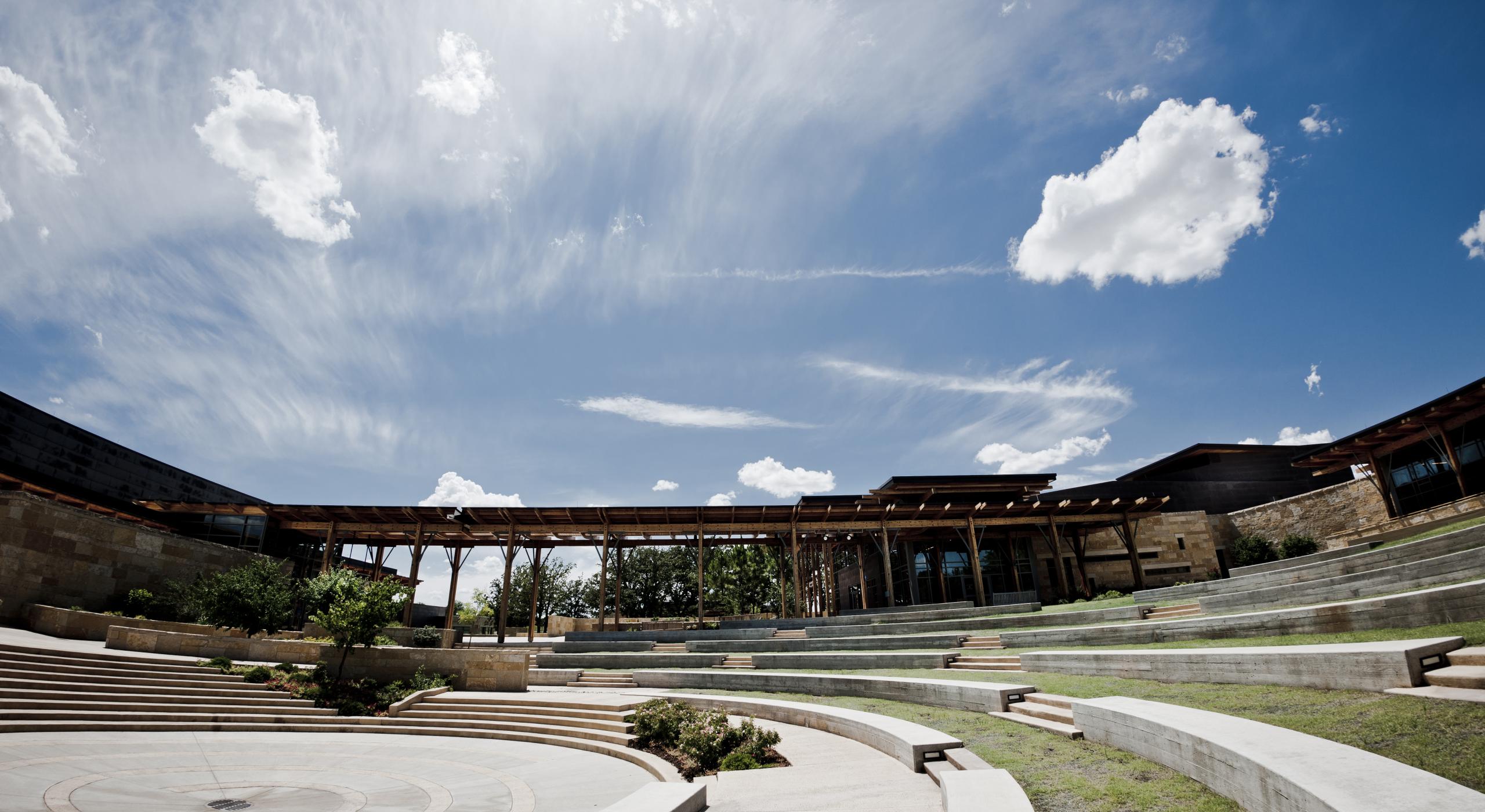
Sooner Scenery Sights: A Classic Oklahoma Road Trip
Cowboys, barbecue and wide-open spaces. Oklahoma still has much of the mystique and wonder that drove settlers here during the state’s 1889 Land Rush. These 50,000 homesteaders raced to claim the city’s land in a day, and the town sprang up overnight. Much of this pioneer past is preserved at…
Read More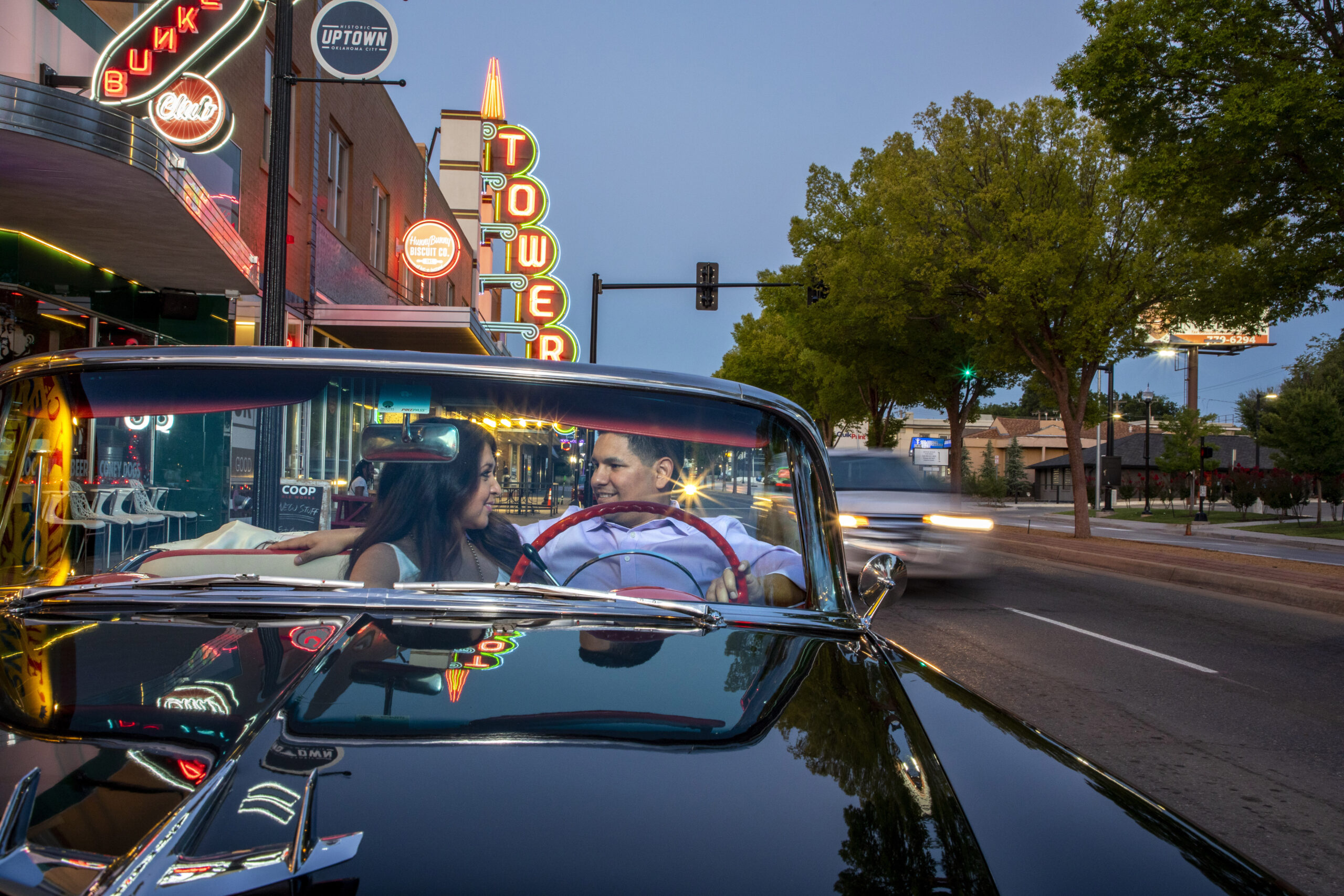
Southwest Route 66: Neon Signs and Skylines in Oklahoma, Texas and New Mexico
Set off on an unforgettable journey through Oklahoma, Texas and New Mexico, road tripping along historic Route 66. Established in 1926, this cross-country highway quickly became known as a route of possibilities, giving rise…
Read More
Oklahoma: The Heart of Route 66
Route 66 is one of the most iconic highways in the United States. Spanning over 2,400 miles from Chicago, Illinois, to Santa Monica, California, it passes through eight states, one of which is the beautiful state of Oklahoma. Often overlooked as a flyover state, Oklahoma is, in fact, the heart…
Read More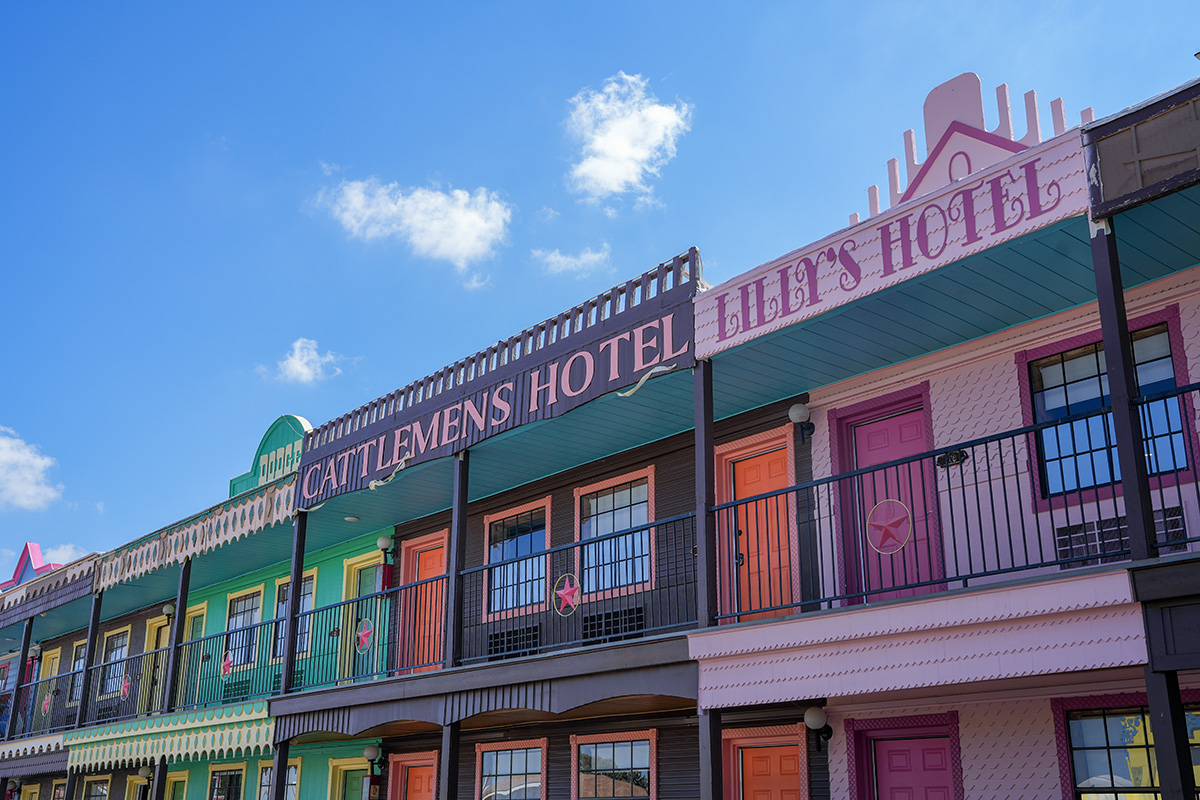
Retro-Themed to Certified Green: 10 Unique Places to Stay on Route 66
Route 66, the famous “Mother Road,” sparked a century of adventures across the USA. Stretching from Chicago, Illinois, to Santa Monica, California, the route gave rise to countless shops, restaurants and motor lodges catering to cross-country travelers. While Route 66 is no longer an official U.S. highway, many roadside accommodations…
Read More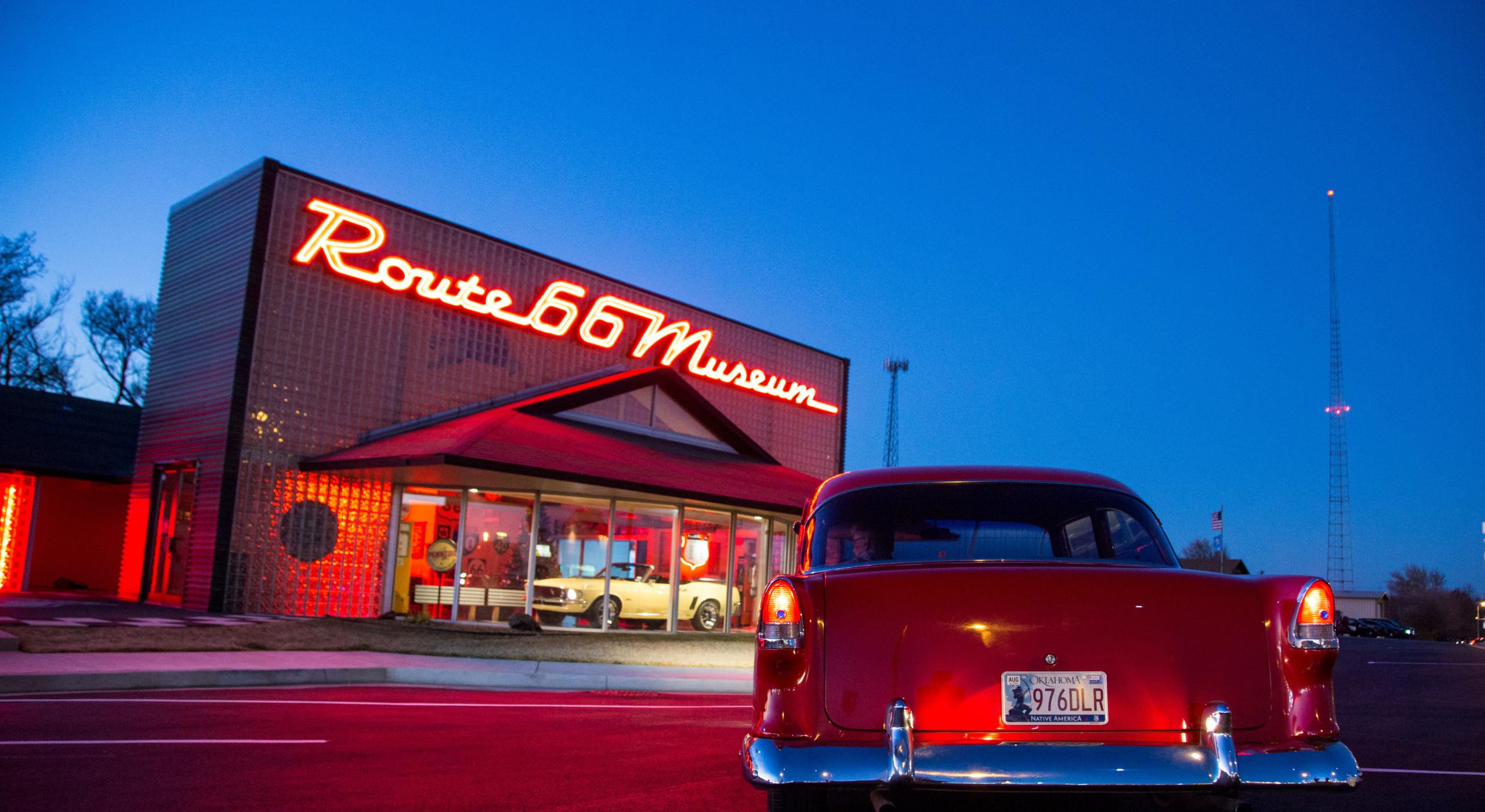
Eclectic Stops on Route 66 Oklahoma
Cruise rolling prairies, wooded hills, quaint towns and cosmopolitan cities, stopping along the way for museums, roadside photo ops and great food. Traveling Route 66 through Oklahoma is like stepping back in time. The state is home to the longest drivable stretch of the original highway, offering travelers a nostalgic…
Read More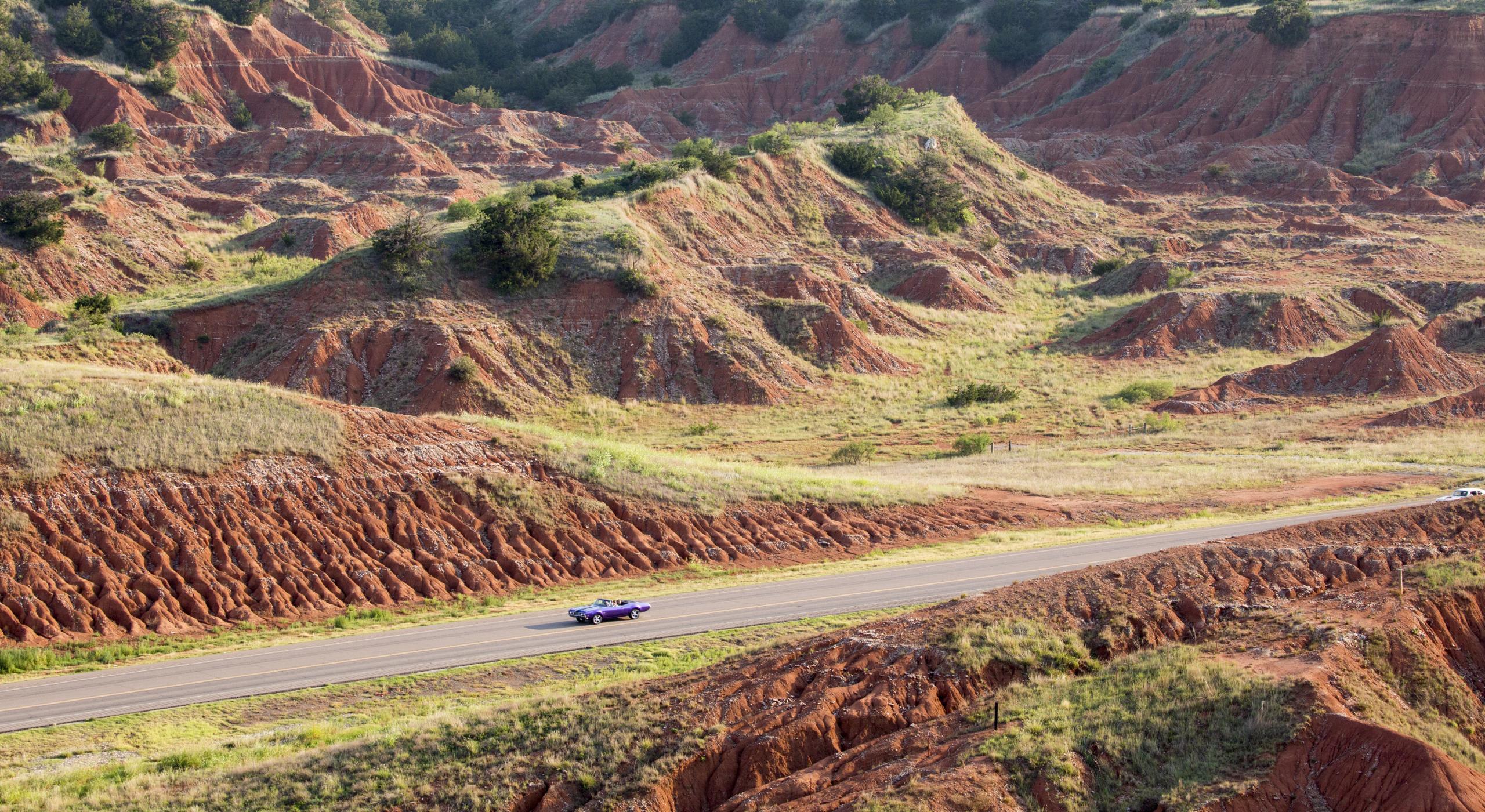
Oklahoma’s Outdoor Gems: State Parks, Heritage Sites and Route 66
Hit the open road and find hidden gems, fascinating museums and charming communities around every corner. Road trip enthusiasts will find an exciting array of attractions amid Oklahoma’s hills and plains. Home to picturesque parks, diverse Indigenous communities and the USA’s longest drivable stretch of Route 66, Oklahoma beckons with…
Read More

Enjoying our content?
Sign up to get updates from the Route 66 Centennial Commission and stay in the know on the latest Route 66 updates and news